
For any parent, a child’s illness is a source of profound anxiety. When that illness is a rare or chronic condition requiring participation in a clinical trial, the complexity of daily life multiplies exponentially.
In traditional research models, participating in a study often means pulling a child out of school, taking time off work, and traveling long distances to a central research site. For a child with a neurodevelopmental disorder or severe physical limitations, the mere act of entering a busy, unfamiliar clinic can be overstimulating and terrifying. These barriers don't just burden families; they stifle scientific progress. Recruitment stalls, dropout rates rise, and critical data is lost.
At Science 37, we believe that geography and logistics should never determine a child's access to life-changing therapies. We are proud to introduce the formalization of our specialized Pediatrics Department, a dedicated unit within our Direct-to-Patient Site designed to bring the trial to the child, not the other way around.
Pediatric trials are among the most difficult to execute. The patient population is often smaller and more geographically dispersed, especially in rare disease indications. Finding enough eligible patients near a handful of brick-and-mortar sites is often a mathematical impossibility.
Beyond the numbers, there is the human element. Children are not just "small adults." They have unique physiological and emotional needs. A standard blood draw or physical exam can be a traumatic event if not handled with specialized pediatric care. When a protocol requires frequent visits, the cumulative stress on the family unit can lead to withdrawal from the study.
For sponsors and CROs, this creates a cycle of inefficiency: extended timelines, costly amendments, and data that may be compromised by the stress of the testing environment.
To address these challenges, Science 37 has centralized its pediatric capabilities into a specialized department. This is not a technology platform; it is a fully operational, FDA-inspected research site with 50-state medical licensure. Our model focuses on three pillars: Specialized Care, Universal Access, and Unwavering Quality.
The heart of our pediatric model is our nationwide network of mobile Research-Grade Nurses. These are not generalist home-health aides; they are research-trained nurses with specific pediatric clinical research experience.
By conducting study visits in the home, we fundamentally change the patient experience. Consider a trial for Fragile X Syndrome, a genetic condition where patients often suffer from extreme social anxiety and sensory sensitivity. In a traditional clinic, a simple vitals check can trigger a behavioral crisis. In the safety of the patient's living room, with a nurse who has built a rapport with the family, that same procedure can be completed calmly and successfully.
Our nurses are trained to handle complex procedures—from lab draws to investigational product dosing—right at the kitchen table. This continuity of care builds trust, which is the most valuable currency in pediatric research.
Because we operate under a single Direct-to-Patient Site structure with 50-state medical licensure, we are not limited by the catchment area of a physical building. We can identify and enroll patients regardless of where they live.
The results speak for themselves. Science 37 has supported more than 20 pediatric clinical trials across Phases I–III, including complex studies in Restless Leg Syndrome, vEDS, and Prader–Willi Syndrome.
In a recent Phase 3 pivotal trial for Fragile X Syndrome, Science 37 was the top enrolling site, contributing 25% of total participants to the study. Even more impressive was our ability to keep those families engaged; we achieved a 94% retention rate in this difficult-to-retain population. When you remove the burden of travel, families stay in the trial.
A common misconception about decentralized trials is that "remote" means "less oversight." In the Science 37 model, the opposite is true.
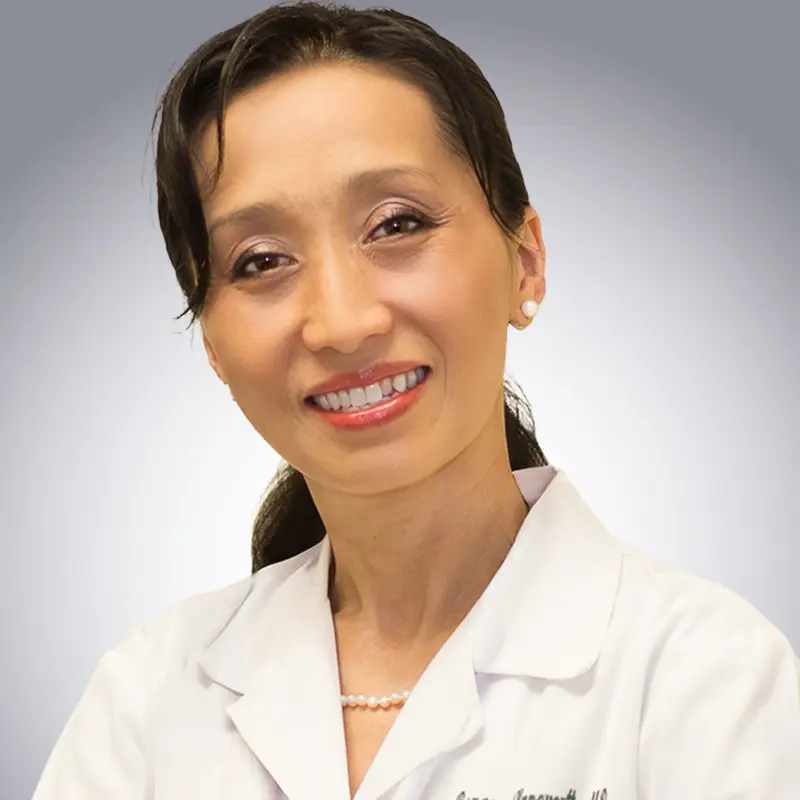
As an Investigator, I am deeply involved in the supervision of every visit. Utilizing our unified platform, I can be virtually present in the patient’s home alongside the mobile nurse. This Direct Remote Visualization allows me to oversee assessments, answer parental questions in real-time, and ensure protocol adherence.
Our approach to quality is rigorous. All our pediatric nurses undergo extensive training in Good Clinical Practice (GCP) and Science 37 Standard Operating Procedures (SOPs) before they ever see a patient. This commitment to quality has been validated by regulators; Science 37 recently completed three successful FDA inspections across five Phase 3 pivotal trials, resulting in No Action Indicated (NAI) classifications. This is the gold standard of regulatory compliance, proving that high-quality data can be generated from the home.
The shift to direct-to-patient delivery is about more than just convenience; it is about better science.
In our experience, direct-to-patient delivery is not just a logistical advantage; it's a therapeutic one. By keeping the child in a familiar, comfortable setting, we drastically reduce anxiety and overstimulation. This allows us to capture more accurate, high-quality data—physiologically and behaviorally—that reflects the child's true state, rather than their reaction to a stressful clinical environment.
The future of pediatric clinical research relies on our ability to adapt to the needs of families. By removing geographic barriers and providing specialized, compassionate care in the home, Science 37 is helping sponsors reach the patients they need while treating those patients with the care they deserve.
Our Pediatrics Department is ready to help you de-risk your next study and accelerate the development of therapies for the world’s most vulnerable patients.
Visit Our Pediatrics Department Page or Contact Our Team to learn more about our capabilities.